The smart way to answer hard questions
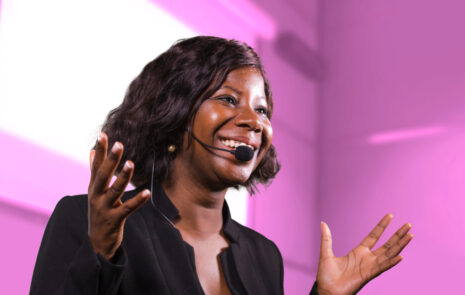
Whether you’re participating in a news media interview, giving a presentation, or simply sitting in a meeting, there’s always a chance you will get hard questions. How you answer can affect how your audience hears and perceives you.
Most of us use some type of stalling technique when we’re asked hard questions. Common techniques include “Um…,” “Well…,” and my least favorite: “That’s a great question!” Of course it’s a great question. Someone smart asked it.
We stall when we get a hard question because it’s a hard question. We want to give our brains the time to craft a good answer. And our audience deserves a good answer.
Your first decision when you get a hard question is decide whether to answer it in the moment. As much as many people hate to admit it, it’s okay to not know something off the top of your head. If that’s the case, feel free to choose to delay your answer.
I usually say something like, “I want to make sure I give you a thorough answer, and I don’t have all the details in my head just now. I will get back to you as soon as possible.”
This is a perfectly acceptable answer if you’re not sure you can give an accurate answer in the moment.
If you do know the answer, and you just want to buy time to make sure you craft it correctly, here’s my favorite response: “I’m glad you asked that, because” followed by the reason you’re glad and then the answer. My favorite reasons are “it’s important for this audience to know” and “it will help you succeed with (topic of interview/presentation/meeting).”
This technique avoids the potentially offensive “that’s a great question,” and it gives you just as much time to think.
Since awareness is easier than behavior change, it may take some practice to move from your current stalling technique to this one. Practice makes perfect, so I encourage you all to try it as often as necessary.
If you aren’t glad they asked that particular question or if you’re having trouble adjusting to new words to say, a simple pause is always acceptable before you begin your response. That few-second pause will give you time to create your answer in your head.
Here’s one other tip: properly preparing for interviews, presentations, and meetings reduces the chance of getting hard questions. Yes, I know you’re busy. I also know you want to get your message heard and that your audience deserves your respect. So block your calendar now to prepare for your next event.
Have questions about marketing and communications? Subscribe to our blog or email me at ariana@crystalclearcomms.com.

Related Posts
Presenting: What if you make a mistake?
Have you ever made a mistake while presenting? We all have, and it can be unnerving. I still remember my first mistake while giving...

Presenting virtually? 4 tips for using visual aids well
As many Americans continue to work from home, more and more of us are presenting virtually. The good news: People are gaining skills to...
Presenting? See what great presenters have in common
At a conference I attended last week, I paid close attention to all the presenters and the audience’s reactions. Some of the presenters engaged...

Presenting at a hybrid event? Read these tips.
What is a hybrid event? The hybrid event is another way organizations have responded to life during a pandemic. Some people are now comfortable...